
"South China coffee"
4000 article(s) found
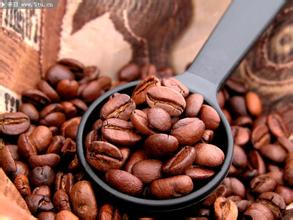
The growth rate of South China market is as high as 30%-Kopi Luwak locates itself in the middle and high end market.
In addition, in order to meet more consumer demand and brand promotion, Kopi Luwak has not only pure high-end Kopi Luwak, but also medium-and low-end coffee with a selling price of about 20,30 yuan, and even instant coffee products. The ratio of high-end products to low-end products is 3:7. At present, cafes are polymorphic in China. In this context, Zhu Danpeng believes that coffee shops such as Starbucks and Pacific Cafe

Circle money listed and run Coffee accompanied your founder Jiang Xun to commit suicide, why Korean Coffee lost
Following Cafe Review (official Wechat account vdailycom) found that Coffee accompanied your founder Jiang Xun to commit suicide at home a few days before the beautiful cafe opened a small shop of its own, as if implying that Korean coffee has been defeated almost entirely in China. Circle money, go public, run coffee accompany you is the largest local coffee chain brand in South Korea, entered China as a joint venture in 2012, only three years later

Heilongjiang "Coffee" goes to South America to grow Coffee beans: to build Chinese Coffee Brand
Chinanews.com, Harbin, Feb. 22 (Shi Yifu)-on the 22nd, the Heilongjiang Coffee Industry and Communication Alliance announced that the alliance decided that six of its member units would go to Argentina to grow coffee beans, and then make use of Brazilian baking technology to create their own coffee brands that are sold back to China. In the past three years, Harbin, the capital of northern Xinjiang, has settled in more than 400 cafes of all kinds, and the coffee has disappeared every month.
The per capita annual coffee consumption in China is less than 6 cups. Understand the development of coffee drinking habits in Europe, America, Japan and South Korea.
Professional coffee knowledge exchange more coffee bean information please follow the coffee workshop (Wechat official account cafe_style)

World-famous individual coffee beans and their origin China Coffee net China Coffee Trading Network Latin America
Introduction] Latin American coffee beans (Central and South America) middot; Brazil: Santos (Santos), Bahia (Bahia), Syrador (Cerrado), Mojiana (Mogiana) middot; Mexico: Coatepec, Huatusco, Orezaba (Orizab Latin American coffee beans (Central and South America) Brazil

Why are Korean coffee shops so successful?
Why are Korean coffee shops so successful? Which brands are the most popular cafes in China's first and second tier cities in the past two years? The answer is not Starbucks, nor COSTA, but all kinds of cafes with Feel: Coffee with You, Man Coffee, Botanical Garden Coffee, Hollis Coffee, Road Coffee and so on. These cafes have one thing in common: they are run by Koreans! Coffee?

Foreign coffee chains are growing rapidly in China and are becoming diversified.
According to the Financial Times, many foreign brands and business models have met their Waterloo in China, from Best Buy to BQ. However, the Western retail concept of foreign coffee shops, which was perhaps the least likely to succeed, has flourished in China. Although China has a history of drinking tea for thousands of years, coffee chains from the United States, Britain and South Korea
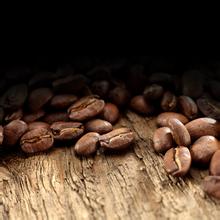
Coffee grown in South America by "coffee drinkers" in Heilongjiang Province is sold back to Harbin to create Chinese coffee products.
It is reported that after the coffee grown in South America is sold back to Harbin, Heilongjiang coffee can be stored in the comprehensive bonded area. Russia, Japan, South Korea and other neighboring countries all have the tradition of drinking coffee, but they do not grow coffee. Harbin will carry out coffee export and re-export trade to these countries to promote the in-depth development of China's coffee industry.
The first South China Coffee Cup Test Competition was held in Guangzhou at the end of June in 2014.
The 2014 South China Coffee Cup Test Competition was held in Guangzhou at the end of June. We are looking for sponsors and look forward to your participation.
2017 A new round of tax cuts in the China-South Korea Free Trade Agreement-- Coffee, Madai Tea and spices
Following Kaiping (official Wechat account vdailycom) found that Beautiful Cafe will open a small shop of its own from January 1, 2017, and a new round of tax cuts will be imposed on Chinese exports to South Korea under the China-ROK free trade agreement. This round of tax reduction includes a total of 18 categories of goods, involving 4915 tax numbers, including 38 tax numbers for coffee, Madai tea and spices. The specific adjustments are as follows:
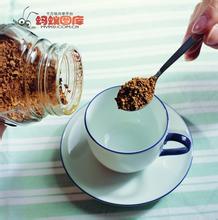
Heilongjiang "Coffee" goes to South America to grow Coffee beans: to build Chinese Coffee Brand
Chinanews.com, Harbin, Feb. 22 (Shi Yifu)-on the 22nd, the Heilongjiang Coffee Industry and Communication Alliance announced that the alliance decided that six of its member units would go to Argentina to grow coffee beans, and then make use of Brazilian baking technology to create their own coffee brands that are sold back to China. In the past three years, Harbin, the capital of northern Xinjiang, has settled in more than 400 cafes of all kinds, and the coffee has disappeared every month.
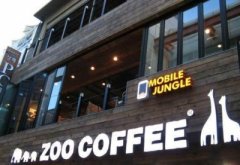
Why are Koreans so successful in opening cafes? Coffee is just a prop.
What are the most popular cafes in China's first-and second-tier cities in the past two years? The answer is not Starbucks or COSTA, but all kinds of cafes with Feel: coffee with you, coffee from the zoo, coffee from Hollis, coffee from the road, and so on. These cafes have one thing in common: they are all founded by Koreans! Coffee? Come on, it's just a little prop!
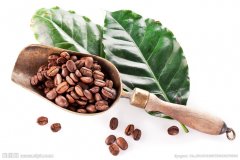
What kind of charcoal roasted coffee do you have?
South charcoal roasted coffee (three-in-one) China's well-known trademark Chinese food industry well-known time-honored enterprises mellow charcoal roasted coffee, inherited the flavor and chic of Hainan coffee, with a unique roasting and roasting technology to re-create the classic coffee, and deeply loved by urban people. And with its endless charm, it makes people in the aftertaste fragrant, not bitter, not hot, refreshing, mellow and sweet.

Foreign media commented on the rapid growth of this coffee shop chain in China.
From Best Buy to BQ, many foreign brands and business models have met their Waterloo in China. However, the Western retail concept of foreign coffee shops, which was perhaps the least likely to succeed, has flourished in China. Despite thousands of years of tea drinking in China, coffee chains from the United States, Britain and South Korea have been able to expand rapidly in China. This coffee.
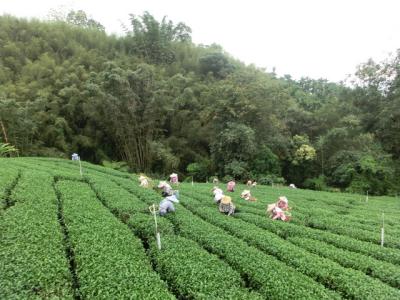
Heilongjiang "Coffee" goes to South America to grow Coffee beans: to build Chinese Coffee Brand
Harbin, the capital of northern Xinjiang, has settled in more than 400 cafes in the past three years, with a monthly coffee consumption of about 60 tons. Di Guochen, chairman of the coffee industry and communication alliance of Heilongjiang Province, told reporters that with the arrival of coffee brands in Europe, the United States and South Korea, Harbin has quietly transformed into a city of coffee culture in recent years. Di Guochen, who has lived in Brazil for many years, knows South America very well.

Exploding the three factions of Chinese cafes
At present, China's per capita coffee consumption is 5 cups per year, which is far lower than that of Japan and South Korea, with an average of about 300 cups per person per year. However, coffee consumption in China continues to grow at an annual rate of 15% to 20%, making it the world's most potential coffee consumer. In the current Chinese market, there are three forces active in China, Europe and the United States, and they are using

Why are Koreans so successful in opening cafes?
What are the most popular cafes in China's first-and second-tier cities in the past two years? The answer is not Starbucks or COSTA, but all kinds of cafes with Feel: coffee with you, coffee from the zoo, coffee from Hollis, coffee from the road, and so on. These cafes have one thing in common: they are all founded by Koreans! Why are Koreans so successful in opening cafes? In these two years,
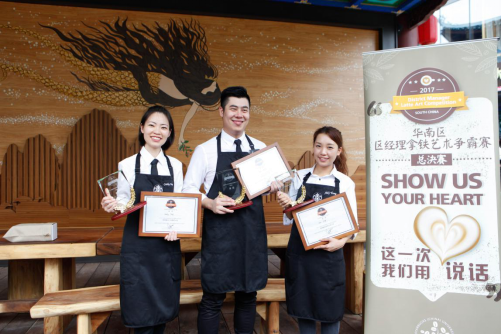
Starbucks South China Manager latte Art Competition: there is a story behind every cup of coffee
Professional barista communication Please follow the coffee shop (official Wechat account cafe_style) usually go to the coffee shop to see the barista pull flowers feel like making a work of art and put a lot of effort into this work of art. Recently, the Starbucks latte competition for managers in South China made district managers who are usually not seen at the bar wear black aprons again as if they were back in operation.

With the death of Korean "coffee king", it is time to talk about the success or failure of Korean coffee.
"Coffee King of Korea passed away" Coffee accompanied your founder Kang Hoon to commit suicide in the bathroom of his home in Ricao District of Seoul at 05:46 local time on the 24th. No suicide note was left at the scene. Company staff contact Jiang Xun has not responded, went to his home to find suicide, and immediately called 119 to declare. The police said: the company is in a financial crisis. Jiang Xun sent it to a friend on the 23rd.

Coffee accompanies you official website _ coffee accompanies you join fee is high coffee accompanies you, still can accompany you how long?
= "Coffee accompany you official website" = = Professional coffee knowledge exchange more coffee bean information please follow the coffee workshop (Wechat official account cafe_style) Coffee accompany you (caffebene) is the largest coffee chain brand from Korea, headquartered in Qingtaandong, Gangnam District, Seoul. Since its rise in South Korea in 2008, it has reached 80% in Korean chain stores by July 2012.